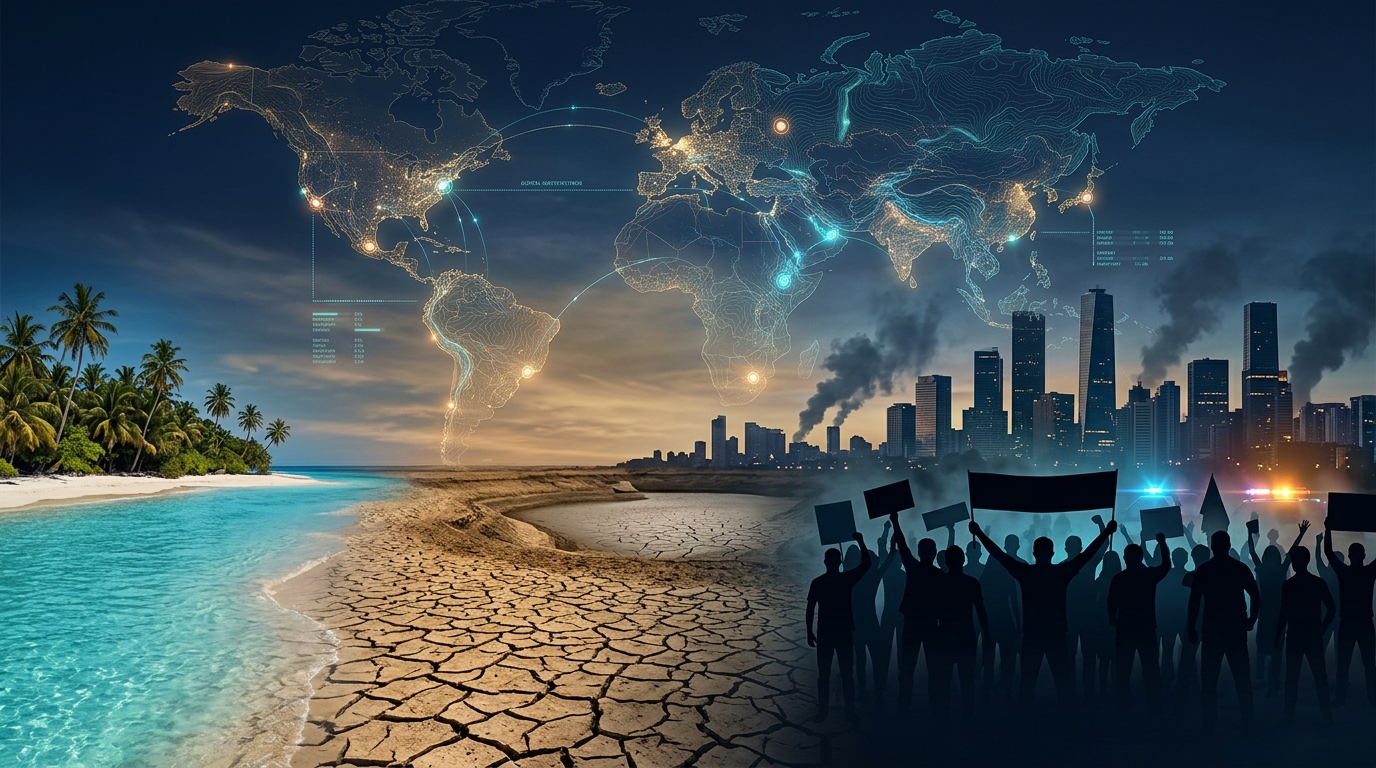
ExpatBlueprint Co. tracks macro-instability, critical infrastructure resilience, and geopolitical risk across emerging expat corridors. The following dossier aggregates OSINT field data, municipal utility reports, and primary diplomatic sources spanning October 9–16, 2026.
When images of burning tires, blocked arterial roundabouts, and tear-gas canisters in Rose Hill and Camp Levieux, Mauritius surfaced earlier this month, the international relocation community was caught flat-footed. For decades, glossy brochures have marketed the Indian Ocean island as a friction-free sovereign paradise—a sanctuary of 15% flat taxes, gated Smart City luxury villas, and calm turquoise lagoons. Yet behind the five-star facade lies a fragile reality of collapsing municipal water mains, severe reservoir rationing, synthetic narcotics epidemics, and simmering socio-economic rage.
Mauritius, however, is not an isolated anomaly. Over the past seven days (October 9–16, 2026), the same structural fissures—acute hydraulic failure, rolling blackout cascades, civil resistance, and airspace/maritime bottlenecks—have erupted across Latin America, Southern Africa, the Mediterranean basin, and South Asia. For sovereign expats, digital nomads, and relocation investors, treating these events as localized headlines is an existential strategic error. They are symptoms of a synchronizing global pressure cooker.
⚡ Executive Intelligence Dossier • 7-Day Global Takeaways• The Hydraulic Divide: Municipal tap water is now a primary vector of societal instability. In Mauritius, over 50% of treated water is lost to leaking pipes while reservoirs sit below 50% capacity. Concurrently, Mexico City’s Cutzamala system and Southern Africa’s Kariba Dam are triggering historic emergency rotations and blackouts.
• Civil Friction Contagion: Demonstrations over utility tariffs, runaway food inflation, and housing displacement accelerated this week across Ecuador, Argentina, Spain, France, and Bangladesh.
• Strategic Mandate: Relocating abroad requires transitioning from passive consumer to active sovereign architect. Off-grid water harvesting, solar micro-inverter battery banks, and dual-jurisdiction residency buffers are no longer luxury perks—they are fundamental operational necessities.
1. The Island Microcosm: Mauritius Riots, Synthetic Drugs & Infrastructure Decay
The recent disturbances in Mauritius were not born in a vacuum. While expat retirees sip Grand Cru in Tamarin and Cap Malheureux, working-class communities in the Plaines Wilhems district have spent months absorbing the compounding shocks of a 40% cumulative rise in essential food basket costs, skyrocketing electricity tariffs, and a predatory epidemic of cheap synthetic cannabinoids known locally as chimique.
When public anger boiled over into spontaneous street protests in Camp Levieux and Rose Hill, police deployed special anti-riot units (SMF) with tear gas, rubber bullets, and armored patrol vehicles. For expatriates who chose Mauritius believing it to be the “Switzerland of the Southern Hemisphere,” the realization that political discontent, wiretapping scandals, and youth disenfranchisement could shutter the M1 motorway in under twenty minutes was a sobering wake-up call.
The Two-Tiered Island Economy
Under the Mauritian Economic Development Board’s Property Development Scheme (PDS), non-citizens investing over $375,000 in luxury real estate receive permanent residency. These enclaves feature private backup generators, autonomous desalinators, and perimeter security. Just three kilometers away, local municipal wards receive tap water for only four hours every second day. This stark hydraulic and financial apartheid is the exact catalyst converting simmering economic despair into open civil defiance.
2. The Global Civil Unrest Wave: The Past 7 Days
What Mauritius experienced on a micro-scale has replicated across major global transit and expat corridors over the past week:
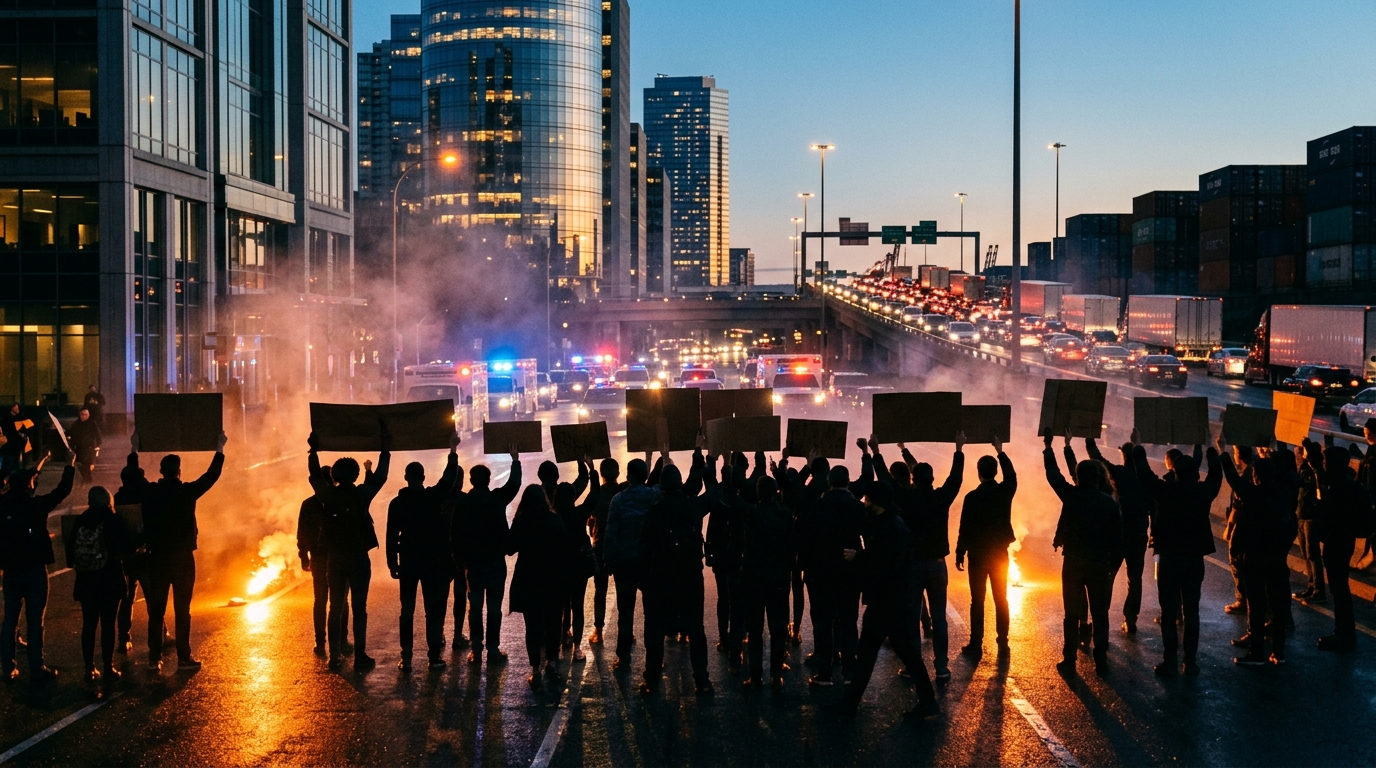
- Latin America (Ecuador & Argentina): In Ecuador, severe hydroelectric deficits forced the government to expand mandatory nationwide power cuts up to 10 hours per day this week, sparking transport union walkouts and student protests in Quito and Guayaquil. In Argentina, sweeping national transport strikes brought rail and air hubs in Buenos Aires to a standstill in protest of subsidy cuts.
- Southern Europe (Spain & Portugal): Over the weekend of October 12–13, tens of thousands of demonstrators flooded downtown Madrid and Barcelona demanding total bans on short-term holiday rentals and rent control caps, with protesters directly chanting slogans against foreign digital nomads and corporate REIT buyers.
- Sub-Saharan Africa (Kenya & Nigeria): Demonstrations against proposed digital tax implementations and university fee hikes renewed in Nairobi, while Nigerian labor coalitions staged localized strikes against hyperinflated petrol prices following fuel subsidy removal.
- South Asia (Bangladesh): Garment worker strikes and clashes with military security forces disrupted major manufacturing corridors in Ashulia and Gazipur, complicating the interim government’s efforts to stabilize industrial output.
Tactical Field Advisory: The Protest Corridor RiskCivil unrest in 2026 rarely targets expats directly, but the collateral friction—sudden highway blockades cut off airport access, cellular internet throttling by authorities, and rapid disruption of local supply chains—can trap unprepared travelers for days. Always maintain a 72-hour bug-in dry ration supply and avoid metropolitan protest hubs regardless of curiosity.
3. The Parched Planet: Mauritius Water Rationing vs. Global Hydraulic Failures
The most acute point of failure in Mauritius is not geopolitical; it is hydraulic. The Central Water Authority (CWA) admitted this month that key national reservoirs—including Mare aux Vacoas and Midlands Dam—have plunged toward 48% capacity. Compounding the drought is catastrophic infrastructure decrepitude: over 52% of all treated potable water never reaches a residential faucet, leaking into the volcanic soil through corroded asbestos-cement piping laid during the British colonial administration.
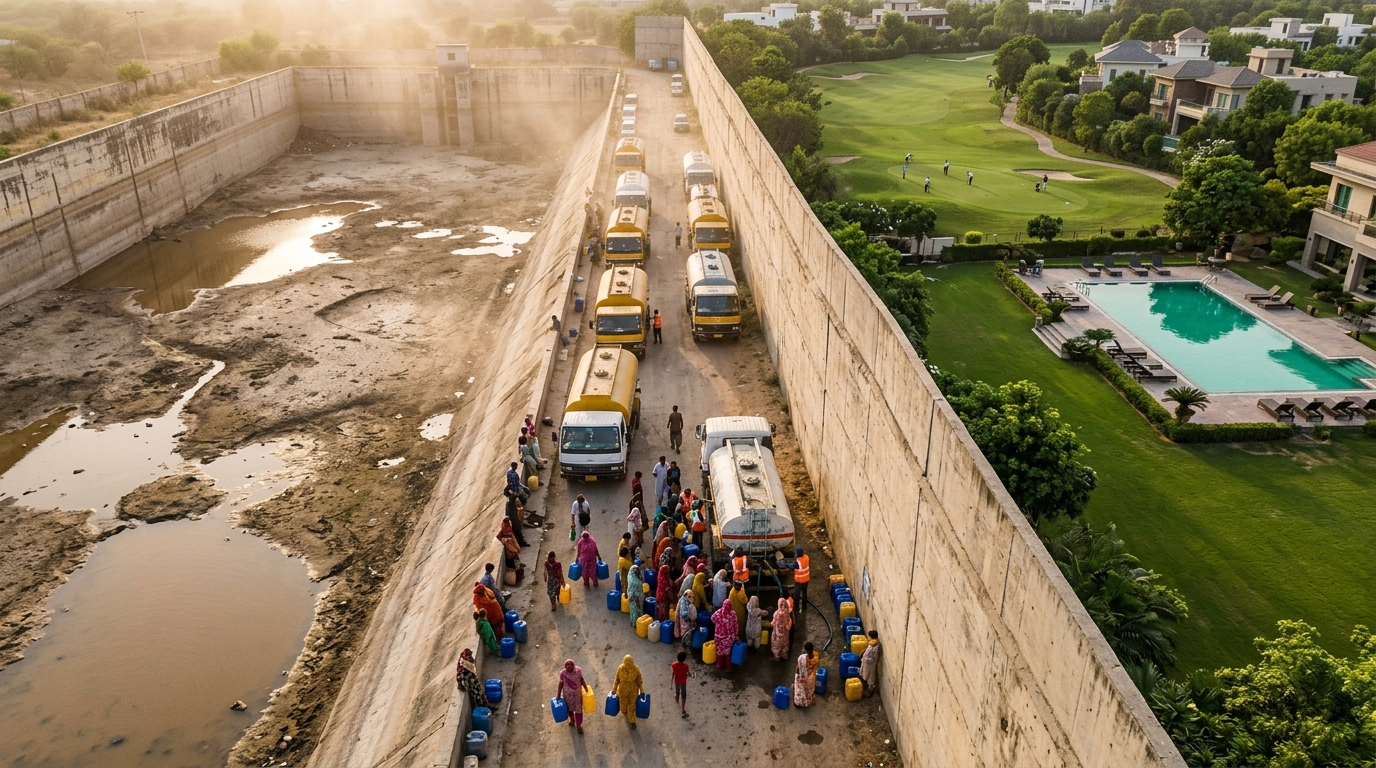
Compare the Mauritian crisis with other acute water flashpoints recorded over the past seven days:
4. Recent Conflicts & Instability: What Global Citizens Need to Know
Resource scarcity and internal unrest do not occur in geopolitical isolation. In the past seven days, three macro-conflict friction points have directly distorted global travel and residency safety:
- Middle Eastern Airspace Fragmentation: Escalating regional missile exchanges and targeted strikes this week forced the closure of civil corridors over Iraq, Jordan, and Iran. Long-haul carrier routes connecting Europe to Asia and the Indian Ocean (including flights to Mauritius and the Seychelles) have been diverted south over Saudi Arabia and Egypt, adding up to 2.5 hours of transit time and spiking jet fuel surcharges.
- The Red Sea Maritime Stranglehold: Ongoing anti-ship missile and drone engagements around the Bab-el-Mandeb strait have cemented permanent container rerouting around Africa’s Cape of Good Hope. For island economies like Mauritius that import over 75% of their finished goods and grain, this adds a structural 18% to 25% inflation premium on every container offloaded in Port Louis.
- Eastern Europe & Baltic Electronic Warfare: Persistent wide-area GPS spoofing and jamming across the Baltic Sea and eastern border corridors have prompted civil aviation warnings from EASA, disrupting navigational systems on regional commuter routes between Helsinki, Tallinn, and Warsaw.
5. The Sovereign Expat Defense Matrix: Actionable Playbook
How should a location-independent entrepreneur, sovereign investor, or digital nomad navigate this synchronizing friction? By executing a four-tiered self-reliance protocol:
Never sign a long-term lease or purchase property without dedicated on-site water storage. Require a minimum of 3,000 to 5,000 liters of food-grade cistern capacity, paired with a multi-stage sediment pre-filter, ultraviolet (UV) sterilizer, and under-sink reverse osmosis (RO) system.
Whether in Quito, Lusaka, or Mauritius, municipal grids are failing. Ensure your living quarters have a hybrid solar inverter system with at least 5kWh of LiFePO4 battery storage, sufficient to run Starlink satellite terminals, laptops, and refrigeration through 12-hour load-shedding cycles.
Avoid legal single-point-of-failure traps. Never maintain residency in a single jurisdiction without a pre-approved secondary exit route (e.g. Thailand’s 5-year DTV, Malaysia’s DE Rantau, or Paraguay residency). Secure multi-currency accounts outside local state banking systems using Wise.
During civil unrest, local telecom authorities regularly throttle cellular data and block social platforms. Maintain a dedicated hardware VPN via NordVPN configured at the router level, and keep an offline satellite communicator (Garmin inReach) for emergency check-ins.
6. Credible Primary Video Reportage
Corroborating ground intelligence through credible international investigative journalism:
7. Concluding Summary: The New Rules of Sovereign Relocation
The unrest in Mauritius is neither a unique disaster nor a reason to abandon international mobility. Rather, it is a masterclass in modern geopolitical reality: there are no frictionless havens left on Earth.
Every destination—from idyllic Indian Ocean islands to European cultural capitals—now carries localized vulnerability to municipal resource breakdown, climate extremes, and societal volatility. The winners of the next decade will not be those who search for non-existent utopias, but those who engineer sovereign self-reliance into their daily living architecture. Build your rainwater systems, secure off-grid battery banks, maintain multi-country residencies, and never mistake a tourist promotional video for ground truth.
⚜ Strategic Action Step: Audit Your Relocation RunwayBefore deploying capital or committing to a 12-month lease abroad, benchmark your destination against 27 critical legal, hydraulic, fiscal, and healthcare metrics using our proprietary diagnostic.
Run 27-Point Readiness Audit →
Leave a Reply